
What is family grouping and why it matters
Family grouping is a daily practice that supports children during arrival and departure times. It means children begin and end their day in a calm, familiar environment with educators they know well, rather than moving straight into busy room routines.
During this time, children may be together in smaller mixed-age groups, supported by familiar educators who provide comfort, reassurance, and continuity of care.
Why family grouping matters
Family grouping plays an important role in helping children feel safe, connected, and confident at the start and end of each day. These moments are often when children are most in need of reassurance and familiarity.
Family grouping supports children by:
- Creating a calm and predictable rhythm to the day.
- Allowing children to spend time with familiar educators who know them well.
- Supporting strong relationships and continuity of care.
- Helping children feel settled as they transition into and out of their learning environments.
This consistency helps children build trust, feel secure, and develop a strong sense of belonging within the centre.
Social and emotional benefits
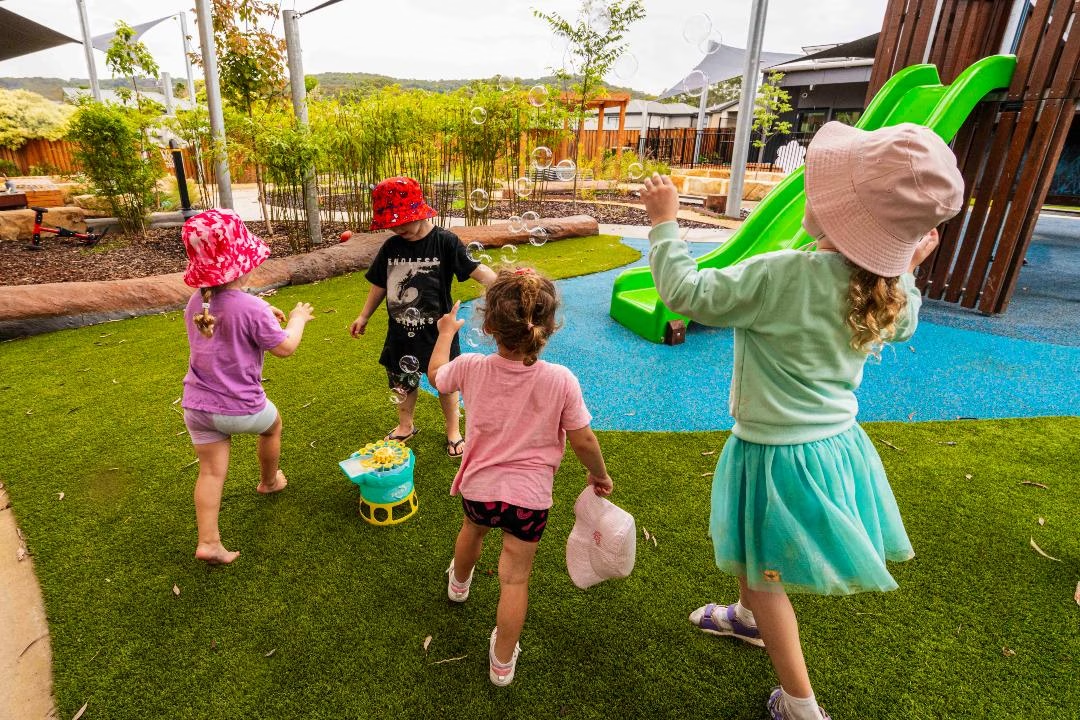
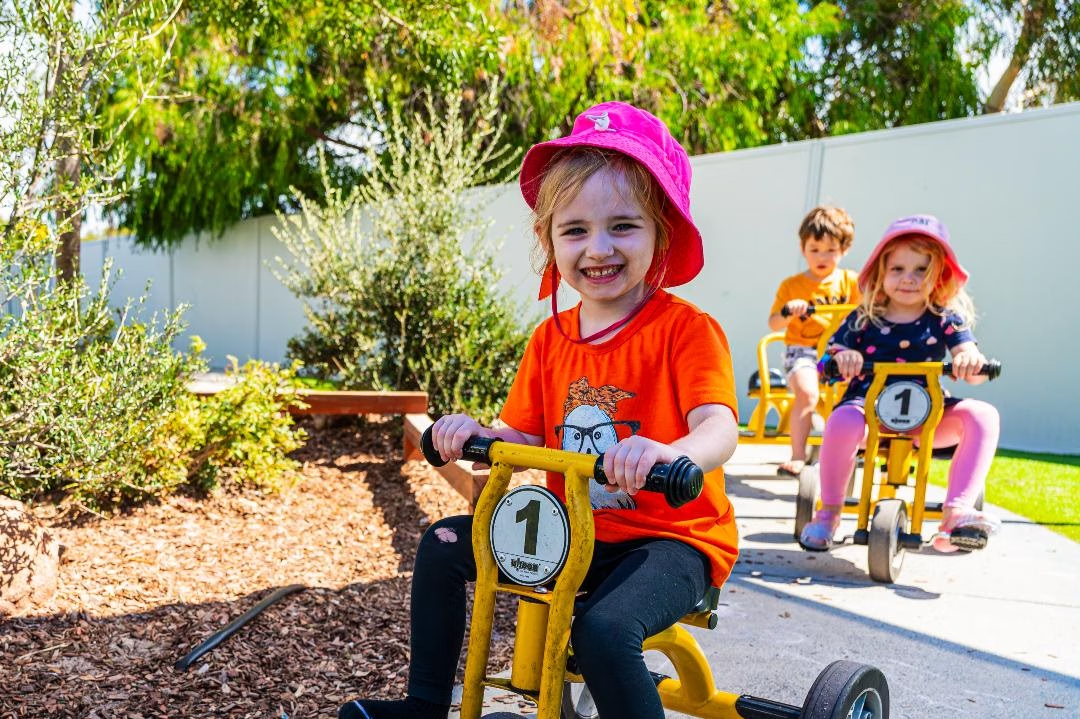
Family grouping also supports children’s social and emotional development. Spending time with children of different ages gives your child opportunities to learn from others, develop empathy, and build friendships across the centre.
Older children often take on caring or leadership roles, helping to support younger children. Younger children, in turn, gain comfort and confidence by being alongside more experienced peers. These shared moments help build a caring, connected community and support children to feel valued and included.

What families might notice
During family grouping, you may notice that mornings and afternoons feel calmer and more personal.
You might see:
- Your child being welcomed by familiar educators who already know their routines and preferences.
- Time for a relaxed handover, so you can share any important updates about your child’s day or night.
- Your child settling into play or quiet activities before moving into their main learning room.
- A gentle transition at the end of the day, where your child can reconnect before heading home.
These small moments help create a sense of continuity between home and the centre, supporting your child to feel secure, confident, and ready to learn.