How to prepare your child for their first day in child care
Preparing for your child’s first day is an important step in helping them feel safe, confident, and ready to start. A little preparation can make the experience calmer and more enjoyable for your child, and can also help families feel more reassured. Simple things like talking about the day ahead and knowing what to expect can make a big difference.
Getting ready before the first day
Talking positively about child care helps your child feel reassured and excited about what’s ahead. You might like to:
- Talk with your child about the centre, the educators they will meet, and the experiences they will enjoy.
- Point out the centre when you drive past and remind them that this is where they will play and learn.
- Create a calm and consistent morning routine so your child knows what to expect.
- Plan your drop-off ahead of time by arriving a little early and allowing time for a warm, unrushed goodbye.
Labelling your child’s belongings and packing together, if age appropriate, can also help them feel involved and prepared.
What to bring on your child’s first day
To help your child settle in comfortably, please bring the following items on their first day:
- A bag for your child’s belongings
- A SunSmart hat designed to protect the face, neck, and ears from UV rays
- Appropriate clothing for the weather, such as SunSmart clothing, a raincoat, or gumboots
- Appropriate clothing for toilet training, avoiding items like jeans or overalls that are hard to remove
- A spare change of clothes, including underwear and socks
- Suitable shoes to protect your child’s feet while playing outside
- A water bottle
- Sufficient milk bottles for the day, if required
- Comfort items such as a dummy, blanket, or comfort toy
If required:
- Formula or breastmilk: Formula must be provided with the correct amount of pre-boiled, cooled water and pre-measured powder, either in a separate container or in an unopened original tin. Breastmilk must be labelled with your child’s name and the date it is to be used.
- Nappy rash cream: This must be labelled with your child’s full name and a skin application permission form completed.
- A wet bag for children’s clothing or cloth nappies, to support sustainability and limit the use of plastic bags.
Your centre team can confirm if there are any centre-specific requirements.
On the day: arriving and settling in
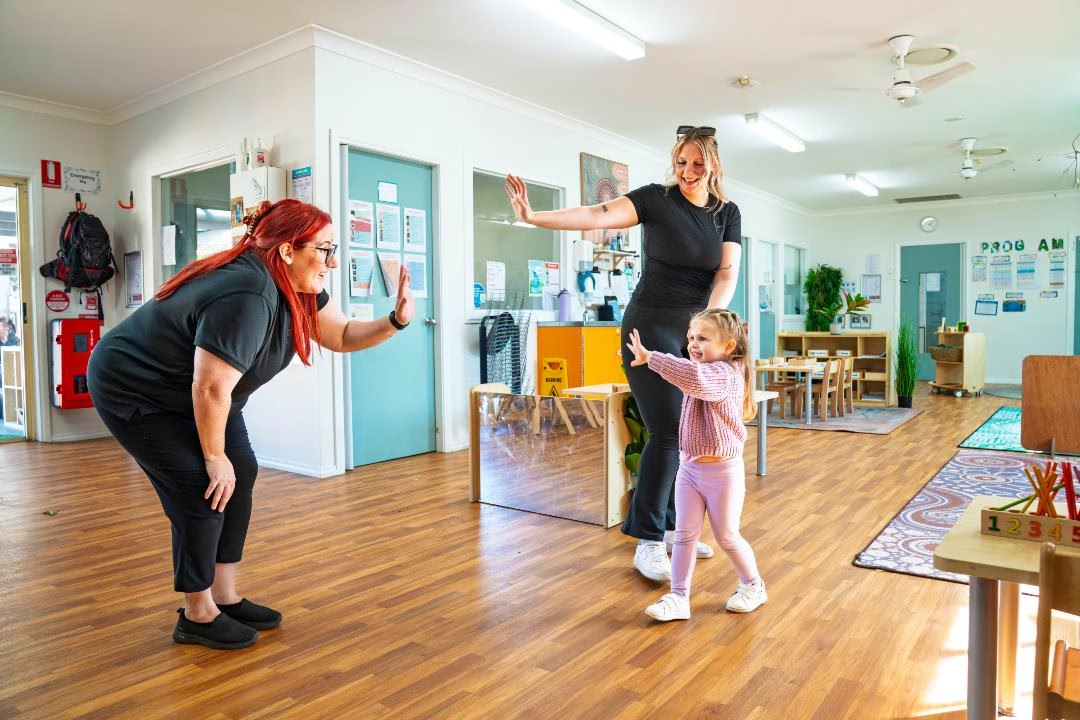
On your child’s first day, educators will support you and your child through the drop-off process.
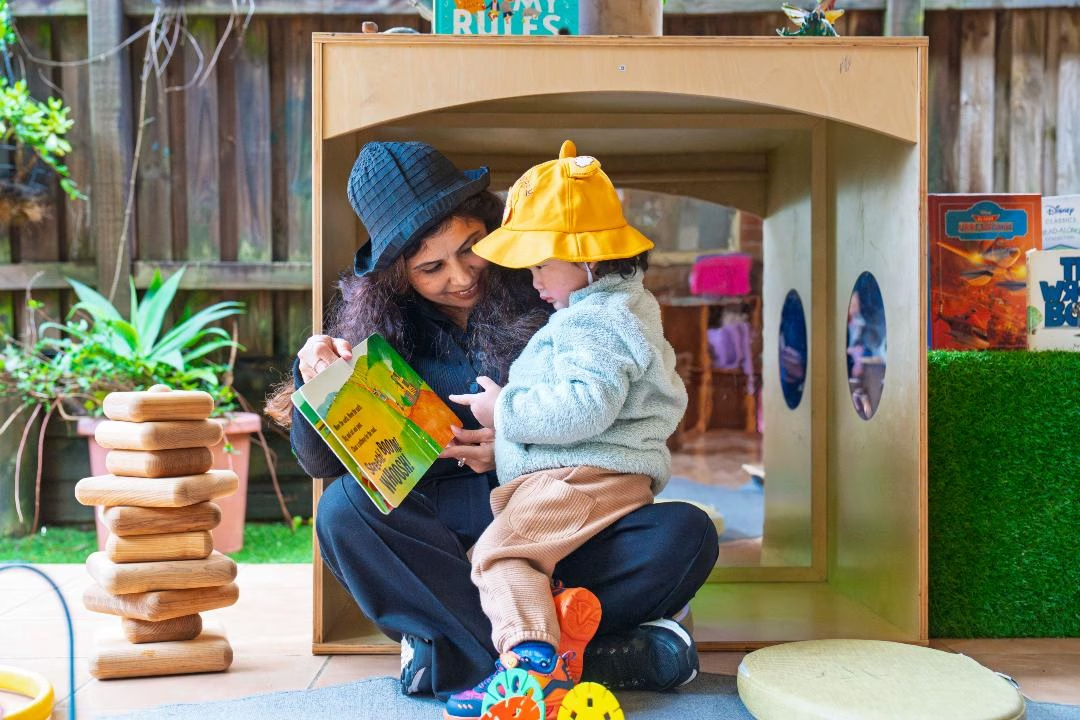
- Spend a few minutes with your child in their room, reading a book or engaging in an activity together.
- Share any helpful information with educators about your child’s routines, interests, or comfort needs.
- Always say goodbye and let your child know you will be coming back. A consistent goodbye helps children feel secure and understand what to expect.
Stay connected during the first day
Our educators are experienced in supporting children through this transition and will be there to provide reassurance and comfort throughout the day:
- Your child will be greeted by familiar educators who support a smooth handover.
- Educators take time to reassure both you and your child at drop-off.
- Your child’s locker and room environment are prepared to help them feel a sense of belonging.
- Families receive updates about how the day has gone, and the first day is celebrated as a special achievement.
How we build a sense of belonging from day one
A strong sense of belonging helps children feel safe, confident, and ready to learn. From your first visit, our focus is on building warm, trusting relationships.
At Buggles, we support belonging by:
- Welcoming families with genuine warmth and familiarity.
- Creating calm, predictable environments where children feel known and valued.
- Ensuring children build strong relationships with consistent educators.
- Using individual information shared by families to support routines, interests, and comfort needs.
When families feel welcomed and supported, children feel secure. This connection lays the foundation for positive learning experiences.